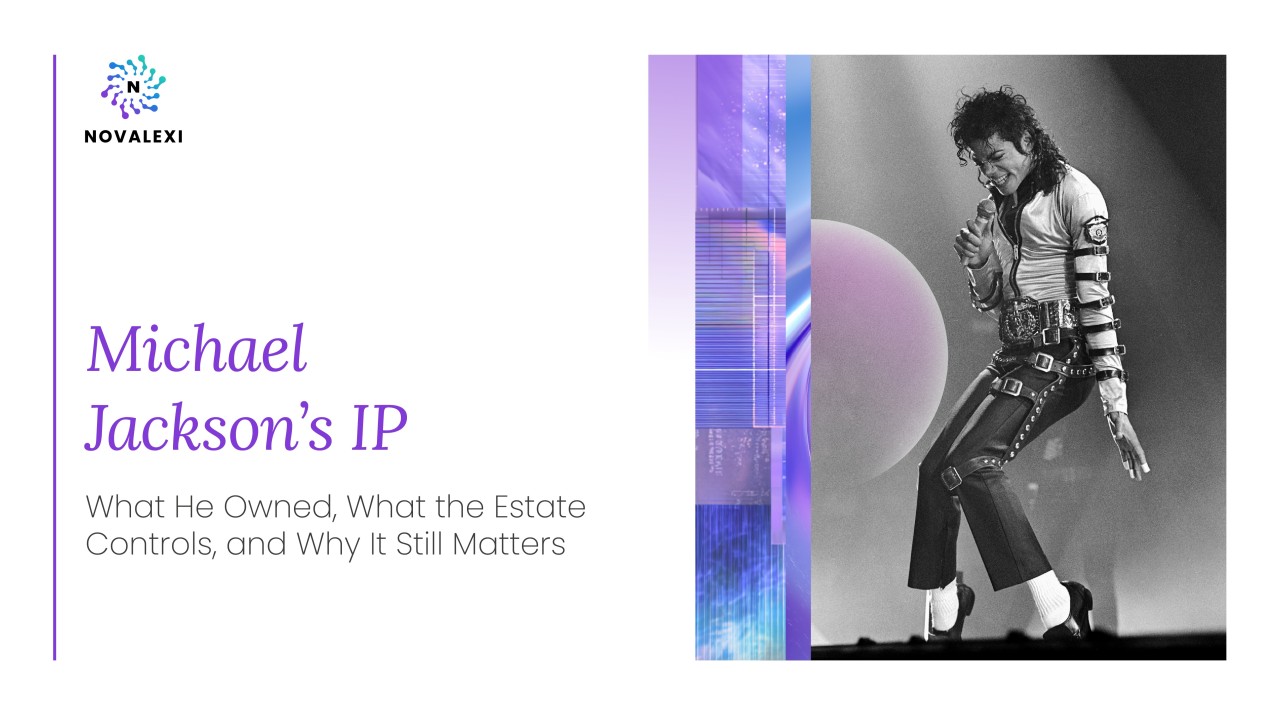
Michael Jackson’s legacy isn’t only artistic; it’s legal and commercial. Long after a song leaves the studio, the underlying intellectual property (IP) can keep generating value through streaming, radio, film/TV licensing, merchandise, and brand partnerships. Jackson is a landmark case because he combined rare creative output with unusually sophisticated ownership moves, then, years after his death, his estate executed one of the largest artist-rights transactions on record.
What “Intellectual Property” Means for a Music Icon
In music, “IP” is really a bundle of rights. For an artist of Jackson’s scale, the most important categories are:
- Composition / publishing rights: typically controlled through a music publisher and used for performance royalties, mechanical royalties, and synchronization licenses.
- Sound recording / master rights: used for streaming, sales, and many licensing deals involving the recording itself.
- Brand and personality-related rights: trademarks, name/signature marks, logos, merchandise programs, and, depending on the jurisdiction, rights related to image and likeness.
- Ancillary IP: album artwork, music videos, photographs, stage designs, and sometimes unreleased recordings and demos, depending on contracts and chain of title.
How Jackson Became a Publishing Power Player (ATV → Sony/ATV)
Jackson’s most famous IP move was in music publishing. In 1985, he purchased ATV Music — an asset that included the Lennon–McCartney catalog — turning him into something rare: a global pop star who also controlled major songwriter income streams. A decade later, that publishing footprint helped form a much larger platform when ATV merged with Sony’s publishing business to create Sony/ATV in 1995 (now known as Sony Music Publishing). Sony ultimately became the sole owner after acquiring the Jackson estate’s remaining stake in 2016.
The 2024 Mega-Deal: Sony Buys 50% of Key Jackson Music Rights
In early 2024, Sony Music Group moved to acquire 50% of Michael Jackson’s publishing and recorded masters interests in a deal that sources described as valuing the overall package at roughly $1.2 billion+, with Sony paying at least $600 million for its stake. The reports indicated the deal also encompassed assets associated with Jackson’s Mijac publishing catalog (including works by other artists held in that catalog), while excluding royalties connected to the Broadway production MJ and other theatrical productions using the music. Industry reporting also noted that Primary Wave maintained a minority stake in some publishing assets.
If Sony Bought a Stake, What Does the Estate Still “Control”?
Catalog headlines can sound like “the music was sold,” but IP control is often split. Even when a buyer acquires a large percentage of masters and publishing income, the estate may still retain (or separately license) other valuable rights, especially brand-related assets like trademarks, merchandising programs, and likeness-based licensing. In Jackson’s case, reporting around the 2024 transaction emphasized that some major revenue streams, such as theatrical royalties tied to MJ, were carved out, illustrating how sophisticated deals separate different “buckets” of IP value.
Why Jackson’s IP Still Prints Value: The Modern Monetization Stack
- Streaming and catalog consumption: masters earn from on-demand plays, while publishing earns from performance and mechanical pathways.
- Synchronization licensing: placing compositions and/or masters into film, TV, games, trailers, and advertising can create both revenue and cultural “reintroduction.”
- Merchandising and brand licensing: trademarks and controlled brand programs can be as durable as the music itself when managed consistently.
- Experiential entertainment: stage productions and curated experiences can monetize the catalog without relying on new releases.
- Strategic releases and archival curation: unreleased material and deluxe reissues (when contractually possible) can refresh attention while staying brand-safe.
Practical Takeaways (for Creators, Labels, and Brands)
- Inventory your rights. Separate what you own in publishing, masters, artwork, video, and brand assets, because buyers price and contract for each differently.
- Fix chain of title early. Splits, producer agreements, work-for-hire questions, and label releases determine whether you can actually license what you think you own.
- Treat trademarks and brand use as real IP. Names, logos, and signature marks are enforceable business assets, especially for merchandising and partnerships.
- Expect carve-outs. Big catalog deals often exclude specific revenue streams (e.g., theater, certain brand programs, or specific territories). Negotiate based on what you want to keep.
- Control is a contract concept. Ownership percentage matters, but approval rights, administration, and licensing policies often matter more day-to-day.
- Value follows durability. Consistent audience demand, clear rights, and a licensing-friendly catalog can justify headline valuations, especially when major cultural moments (films, documentaries, anniversaries) drive renewed listening.
Michael Jackson’s story shows why “owning your music” is not a slogan; it’s a framework. Publishing, masters, and brand rights can each be managed, licensed, partially sold, or carved out in ways that preserve long-term value. The scale of the 2024 Sony transaction underscores the point: when rights are clear and demand is durable, IP becomes a cornerstone asset class, not just a byproduct of artistry.